What Are the Crucial Dishes That Define Mexican Cuisine?
Mexican food is a dynamic reflection of its social heritage, identified by a variety of essential meals. Tacos, mole, pozole, tamales, and ceviche each inform a distinct story of custom and taste. These foods not only satisfy the taste yet additionally symbolize the spirit of community and celebration. Comprehending their value exposes much regarding Mexico's culinary identification. What exists underneath the surface area of these cherished meals?
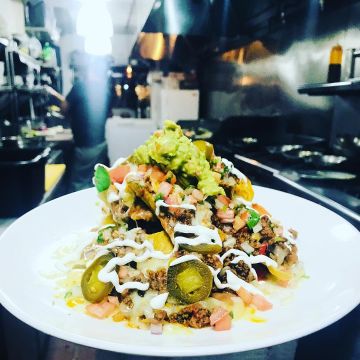
Tacos: The Quintessential Street Food
Tacos are usually considered as the quintessential street food of Mexico, commemorated for their flexibility and rich tastes. They include a simple tortilla, normally made from corn or flour, full of a range of components that can range from grilled meats to veggies. This flexibility allows for numerous local variants, each showcasing regional flavors and traditions.
Popular fillings include carne asada, carnitas, and pollo, frequently come with by fresh garnishes like cilantro, onions, and lime. Street suppliers adeptly prepare and serve tacos, making them a inexpensive and practical choice for citizens and tourists alike.
The experience of eating tacos is boosted by the dynamic ambience of Mexican streets, where the fragrance of seasonings and searing meat loads the air. This legendary meal not only satisfies cravings yet additionally represents the cultural richness of Mexico, reflecting its history, community, and culinary creativity.
Mole: A Symphony of Flavors
Mole personifies the complexity and depth of Mexican cuisine, using an abundant tapestry of tastes that astound the taste. This sauce, often made with a blend of chilies, spices, nuts, and chocolate, showcases the artistry and social heritage of Mexico. Each region flaunts its unique interpretation, with variants such as mole poblano and mole negro, mirroring regional ingredients and customs.
The prep work of mole is an intricate procedure, calling for skill and perseverance as the ingredients are carefully toasted, ground, and simmered to excellence. The resulting sauce can vary from savory to sweet, with layers of flavor that develop with each bite. Typically offered over chicken or turkey, mole transcends mere nourishment, often beautifying unique events and parties. Its dynamic shade and complicated profile signify the abundant culinary identification of Mexico, making it a necessary meal that reverberates with both residents and visitors alike.
Pozole: A Hearty Tradition
Although commonly taken pleasure in throughout cheery events, pozole is a dish deeply rooted in Mexican custom, embodying both social significance and common spirit. This passionate soup, made mainly from hominy, meat-- usually pork or chicken-- and a rich brew, has ancient origins that map back to pre-Columbian people. Commonly planned for parties such as Mexican Independence Day and weddings, pozole transcends plain food, cultivating a feeling of unity among those that partake.
The recipe can be found in different local variants, including pozole blanco, rojo, and verde, each differentiated by its unique ingredients and taste profiles. Toppings such as shredded cabbage, radishes, avocado, and lime improve the recipe, permitting personal expression. Past its delicious high qualities, pozole functions as a symbol of heritage, connecting generations through shared recipes and cooking methods. Its prep work commonly ends up being a common occasion, reinforcing bonds among friends and family, making it a real symbol of Mexican hospitality.
Tamales: Wrapped in Love
Tamales hold a special area in Mexican food, a lot like pozole, celebrating practice and community. These wonderful parcels of masa, or corn dough, are typically loaded with a selection of ingredients, including meats, veggies, fruits, or cheeses, and after that wrapped in corn husks or banana leaves prior to being steamed to perfection - best mexican westchester NY. The prep work of tamales often entails family members gatherings, where generations collaborated to share the labor of blending, loading, and wrapping, enhancing their relevance as a common meal
Tamales are particularly preferred during festive events, such as Christmas and Día de los Muertos, signifying a connection to social heritage. They are not just food; they personify love, care, and the passing down of cooking skills. Each region in Mexico boasts its own unique variations, showcasing local tastes and customs, making tamales a beloved staple that goes beyond generations and joins people throughout the country.
Ceviche: A Fresh Coastal Pleasure
Ceviche, a vibrant meal rooted in the seaside areas of Mexico, showcases the quality of the sea's bounty. Traditionally made with raw fish seasoned in citrus juices, especially lime, ceviche is celebrated for its stimulating flavor profile. The level of acidity from the lime "chefs" the fish, resulting in a tender texture that pairs magnificently with the brilliant active ingredients usually included, such as diced tomatoes, onions, cilantro, and chili peppers.
Regions like Baja The Golden State and the Yucatán Peninsula have their own distinctive versions, integrating local seafood such as shrimp, octopus, or scallops. Served chilled, ceviche is often come with by tortilla chips or tostadas, boosting its allure as a preferred appetizer or light meal. This dish not only shows the rich aquatic life of Mexico yet likewise highlights the cultural significance of fresh, neighborhood active ingredients in Mexican gastronomy. Ceviche continues to be a cherished representation of coastal culinary traditions.
Often Asked Inquiries
What Are the Trick Ingredients in Standard Mexican Cuisine?
Key ingredients in conventional Mexican food consist of corn, beans, avocados, chilies, and tomatoes. mexican food. These staples form the structure of many meals, showing the dynamic tastes and varied cooking heritage of Mexico's abundant gastronomic landscape
How Has Mexican Food Progressed In Time?
Mexican cuisine has actually evolved via centuries, affected by indigenous practices, Spanish colonization, and worldwide ingredients. This dynamic mix has resulted in varied regional tastes, techniques, and recipes that continue to adjust and introduce with modern cooking patterns.

What Prevail Dietary Constraints in Mexican Cooking?
Usual dietary constraints in Mexican cooking include gluten, vegetarianism, and veganism intolerance. Many conventional meals can be adjusted to fit these preferences, making certain that flavors remain vivid while appreciating individual cultural practices best mexican westchester NY and dietary demands.
How Do Regional Variations Impact Mexican Meals?
Regional variations considerably affect Mexican recipes through neighborhood ingredients, traditional food preparation methods, and cultural influences. Each area's one-of-a-kind environment and history add unique tastes, strategies, and recipes, resulting in an abundant culinary variety across the country.
What Beverages Pair Finest With Mexican Food?
Typical Mexican cuisine pairs well with beverages like horchata, aguas frescas, and tequila. Craft beers and mezcal likewise enhance the tastes, improving the dining experience with their invigorating characteristics and special accounts.
Mexican cuisine is a vibrant reflection of its social heritage, identified by a selection of essential dishes. Mole personifies the complexity and depth of Mexican cuisine, providing a rich tapestry of flavors that astound the taste. Usually appreciated during festive gatherings, pozole is a meal deeply rooted in Mexican custom, symbolizing both social importance and public spirit. Mexican food has evolved through centuries, influenced by indigenous practices, Spanish colonization, and global active ingredients. Regional variants greatly affect Mexican dishes via neighborhood active ingredients, traditional food preparation methods, and cultural impacts.